
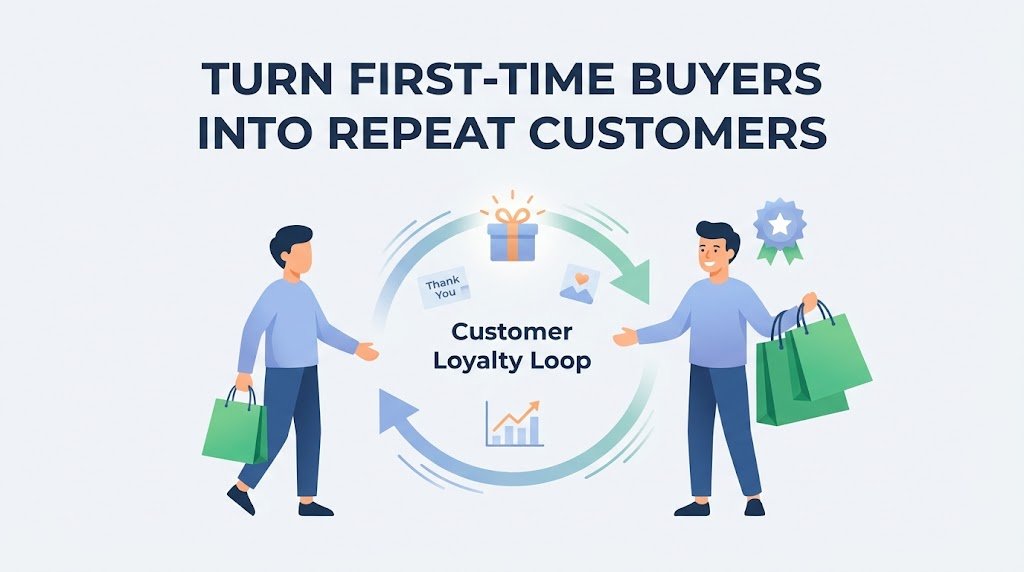
How to Turn First-Time Buyers Into Repeat Customers
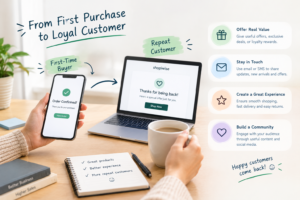
Getting a stranger to place their first order is a real win. But if that customer never comes back, you have paid for traffic, ads and fulfilment and received a single sale in return. The stores that grow steadily are usually the ones that learn how to turn first-time buyers into repeat customers, because a returning customer already trusts you and costs far less to reach than a brand-new visitor.
This guide walks through a practical, step-by-step approach for Shopify store owners and online sellers. You will learn how to fix the first-order experience, build a simple post-purchase flow, reward loyalty without training people to wait for discounts, and measure whether any of it is working.
Why Repeat Customers Matter for Your Store
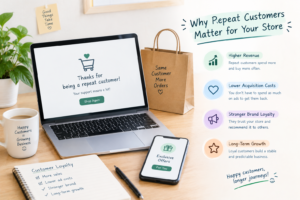
Acquisition gets the attention, but retention is where much of the long-term profit sits. A repeat buyer has already seen your product, your packaging and your support, so the biggest hurdle (trust) is mostly cleared. That usually means higher conversion rates, easier upsells and a healthier return on your marketing budget.
It also changes how you think about growth. Instead of asking, “How do I find more buyers?”, you start asking, “How do I earn a second order from the buyers I already have?” The second question is often cheaper to answer.
Step 1: Get the First Order Right
No email sequence can rescue a bad first experience. Before you build any retention tactics, audit what a new customer actually goes through from checkout to unboxing:
- Delivery: Are your shipping times clear at checkout, and do you meet them? Late or unexpected delays are one of the fastest ways to lose a second sale.
- Packaging: Does the parcel arrive undamaged and look like it came from a real brand? A simple thank-you card or a clean unboxing moment goes a long way.
- Product match: Does the item look and perform the way your product page promised? Honest photos and accurate descriptions reduce returns and disappointment.
- Support: Can a customer reach you quickly if something goes wrong? Fast, friendly replies often turn a problem into loyalty.
If customers keep asking the same question before or after buying, treat it as a signal. Add the answer to your product page, FAQ or confirmation email so the next buyer never has to ask.
Step 2: Build a Post-Purchase Email Flow
Many stores send only an order receipt and a shipping notice. Those messages have the highest open rates you will ever get, so use them well. A simple post-purchase flow can look like this:
Right after checkout: confirm and reassure
Send a clear confirmation that thanks the customer, explains what happens next and tells them when to expect delivery. Keep the tone human, not robotic.
After delivery: help them get value
A few days after the parcel arrives, send a short message with usage tips, care instructions or a quick how-to. Customers who get good results with a product are far more likely to buy again.
Once they have had time to try it: ask for feedback
Invite a review or ask a simple question about their experience. This builds social proof for future shoppers and gives you honest insight into what to improve.
Near the end of the product cycle: suggest the next step
If you sell something that runs out, such as skincare, coffee or supplements, a replenishment reminder timed to the typical usage period works well. If you sell durable goods, recommend accessories or complementary items instead of repeating the same product.
The key is to match the timing to how your product is actually used. A reminder that arrives too early feels pushy, and one that arrives too late misses the moment.
Step 3: Give Customers a Real Reason to Come Back
People return when they feel recognized and rewarded, not just when they receive a coupon. Consider a mix of the following:
- A loyalty or rewards program: Points, tiers or perks for repeat purchases give customers a reason to choose you again. Make the balance visible in the customer account and in follow-up emails, otherwise people forget it exists.
- Early access: Letting past buyers see new products or restocks first costs you very little and makes them feel valued.
- Free shipping thresholds: A clear threshold can nudge shoppers to add an item and often raises average order value.
- A thoughtful second-order offer: A small, one-time incentive can work, but use it carefully. If every customer learns that a discount always follows the first purchase, they may simply wait for it.
Step 4: Make Reordering Effortless
Every extra step between “I want this again” and “order placed” costs you sales. Reduce the friction wherever you can:
- Encourage customers to create an account, or enable fast checkout options so their details are saved.
- Add a simple “buy again” link in follow-up emails that goes straight to the product.
- Offer a subscription option for products people use regularly. It turns a repeat decision into a default, so each subscriber becomes a repeat customer automatically.
Step 5: Personalize Based on Purchase History
Your store already collects useful data: what someone bought, when they bought it and how much they spent. Use it. Segment your list into simple groups such as first-time buyers, repeat customers and customers who have not purchased in a while. Then send each group something relevant instead of the same broadcast to everyone.
For example, recommend a complementary product to a recent buyer, send a “we miss you” message to a lapsed customer, and give your best customers early access or a thank-you. Relevance almost always beats volume.
How to Measure Whether It Is Working
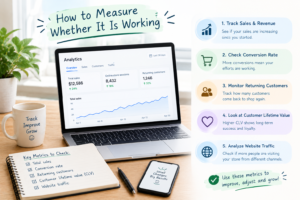
You cannot improve what you do not track. Start with these metrics:
- Repeat purchase rate: The percentage of customers who have bought more than once. A simple formula is repeat customers divided by total customers, multiplied by 100.
- Time to second order: How long it typically takes a customer to come back. This tells you when to time your emails.
- Average order value and customer lifetime value: These show whether returning customers are becoming more valuable over time.
Shopify includes a repeat customer rate report in its analytics, and you can group customers into cohorts by the month of their first purchase to see whether changes are helping. Some retention guides suggest that a repeat customer rate of roughly 20 to 30 percent is a reasonable foundation, but benchmarks vary widely by product category and price, so compare yourself against your own past results first.
Common Mistakes to Avoid
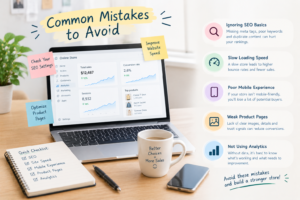
- Relying only on discounts. Constant coupons can hurt margins and teach customers to wait for a sale.
- Turning every email into a sales pitch. Mix helpful content, tips and updates with offers.
- Ignoring the product itself. If the product disappoints, no loyalty program will fix it.
- Sending the same message to everyone. Generic emails get ignored. Segment and personalize.
- Not tracking results. Without a baseline, you will not know which tactic is worth repeating.
Frequently Asked Questions
How soon should I follow up with a first-time buyer?
Start immediately with an order confirmation, then follow up after delivery with helpful content. Time any “buy again” message to how quickly your product is normally used or consumed.
Do I need a loyalty app to get repeat customers?
Not necessarily. You can start with a good email flow, easy reordering and a strong customer experience. A loyalty app becomes more useful once you have a steady stream of customers to reward.
Are discounts a good way to win a second order?
They can help, but they should not be your only tool. Early access, useful content, free shipping thresholds and a smooth experience often build stronger loyalty than constant price cuts.
What is a good repeat purchase rate?
It depends on what you sell. Consumables tend to repeat more often than durable goods, so track your own trend over time rather than chasing a single universal number.
How do I calculate repeat purchase rate on Shopify?
Divide the number of customers who have ordered more than once by your total customers in the same period, then multiply by 100. You can also view the repeat customer rate in your Shopify analytics.
Conclusion: Make the Second Order Your Priority
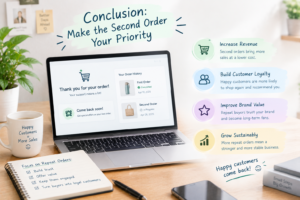
Turning first-time buyers into repeat customers is not about one clever trick. It is a consistent system: deliver a great first order, follow up with useful emails, reward loyalty, make reordering easy and measure the results. Start with one or two steps, such as a post-purchase email flow and a simple reorder link, and build from there.
If you would rather not handle the setup yourself, Shopiwise can help. Our team offers Shopify store setup and optimization and can support the email and automation side through our GoHighLevel automation and CRM services. Visit Shopiwise.com or contact our team to talk about a retention plan for your store.